Choose Electronics Recycling Services for Pickup Options
Sustainable Solutions: How E-Waste Recycling Services Are Saving Our Planet
Electronic waste presents serious dangers to the environment, as disposed electronics frequently harbor hazardous substances. Such dangerous compounds can pollute soil and water supplies, causing extensive damage to surrounding ecosystems. E-waste recycling initiatives provide a practical answer. They not only recover valuable resources but also mitigate pollution. Understanding how these services operate and their impact on communities is essential. The journey towards effective e-waste management raises critical questions about individual responsibility and collective action. What measures can be pursued from this point onward?
How E-Waste Is Hurting the Planet
While technology enriches modern life, electronic waste presents significant environmental threats. Abandoned electronic gadgets, commonly laden with toxic substances including mercury, lead, and cadmium, can leach toxins into the surrounding soil and water supply, creating hazards for human health and ecosystems. The rapid pace of technological advancement leads to higher rates of electronics disposal among consumers, intensifying the growing problem of discarded electronic materials.
Landfills, already strained by waste, are unable to keep up with the rising quantities of abandoned electronics. Burning, an alternative disposal approach, discharges toxic contaminants into the air, worsening overall air quality. Moreover, poor recycling procedures can cause e-waste to be sent to developing regions, where employees may disassemble electronics without sufficient safety precautions, leaving them vulnerable to harmful substances. This cycle of neglect and improper handling underscores the urgent need for sustainable recycling solutions that can mitigate the adverse effects of e-waste on the planet.
What Is E-Waste and Why Is It Important?
E-waste, also referred to as electronic waste, encompasses unwanted electronic equipment including smartphones, computers, and televisions that have exceeded their operational lifespan. This growing category of waste is significant because of its swift buildup, driven by technological advancements and consumer trends. As growing numbers of electronics become outdated, the toll on the environment grows more severe, with dangerous elements including lead, mercury, and cadmium presenting serious hazards to the environment and human well-being.
Addressing e-waste is crucial not only for reducing these dangers but also for acknowledging the precious materials found within it. Precious metals and rare earth elements can be recovered and reused, reducing the need for mining and conserving natural resources. By understanding e-waste and its implications, individuals and organizations can make informed decisions about disposal and recycling, ultimately contributing to a more sustainable future. Proper management of e-waste is essential for fostering a circular economy and promoting environmental stewardship.
How the E-Waste Recycling Process Works
The recycling of e-waste encompasses a structured approach designed to recover valuable materials while reducing harm to the environment. Initially, discarded electronics are retrieved and sent to dedicated processing centers. Once there, the electronics are carefully categorized to isolate dangerous parts from recoverable materials.
Following this, employees take apart the products, recovering plastics, metals, and glass. This phase is essential, as it enables the reclamation of valuable metals like silver, gold, and copper, which can be reused in modern electronics.
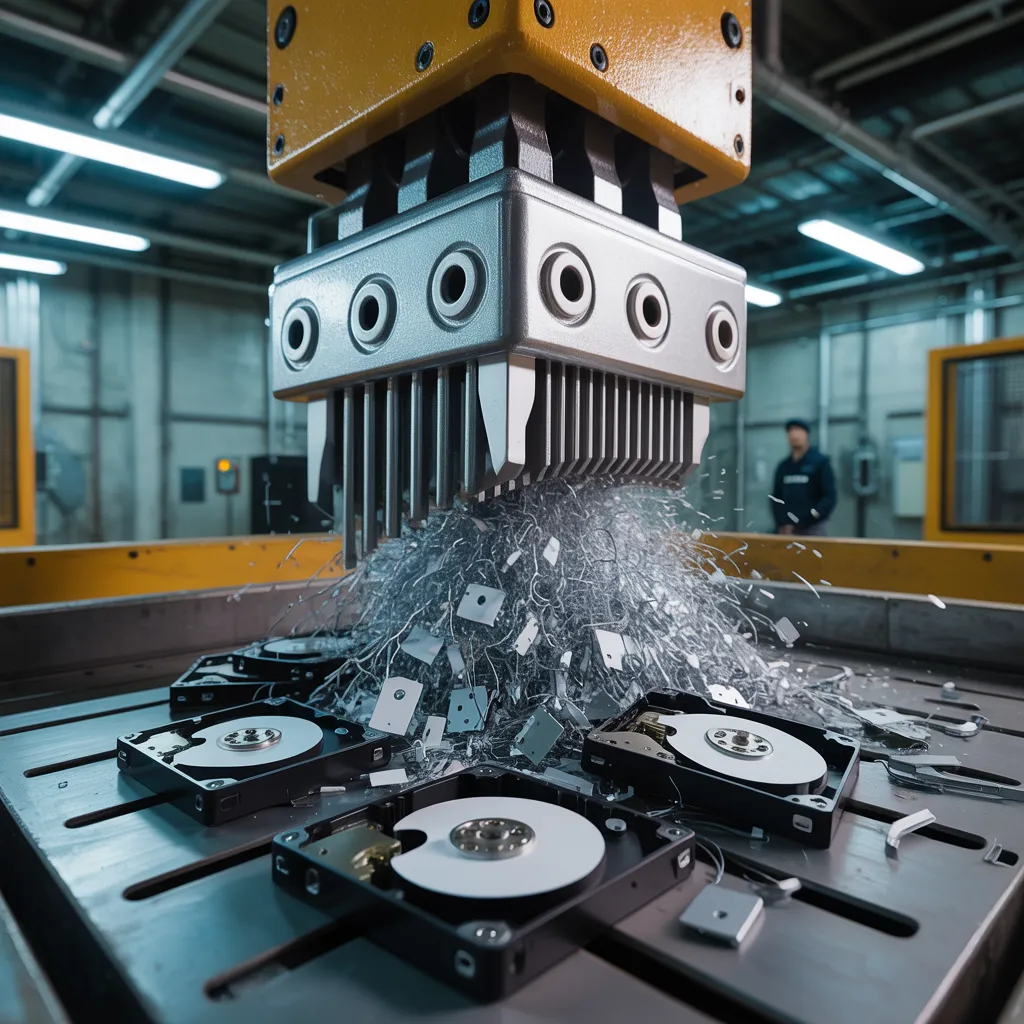
Next, the separated materials are refined through state-of-the-art techniques, such as shredding and specialized chemical treatments, to purify them for recycling.
Ultimately, the leftover hazardous waste is handled with responsibility, following environmental regulations. This multi-step approach not only preserves valuable resources but also mitigates the risks associated with irresponsible electronic waste disposal, ensuring a more sustainable future for electronic consumption.
How E-Waste Recycling Benefits You and Your Community
While many individuals may not realize it, the advantages of e-waste recycling extend beyond personal convenience to positively impact entire communities. By carefully processing electronic waste, individuals play a role in creating a safer environment, minimizing toxic components that can seep into soil and water. This proactive approach helps preserve local ecosystems and promotes View article public health.
Moreover, e-waste recycling fosters employment opportunities within local communities. Nearby recycling establishments regularly need employees for diverse activities, including collection and processing, thus generating valuable job opportunities to area workers. This not only stimulates the local economy but also promotes community participation in sustainable initiatives.
In addition, understanding of e-waste recycling has the potential to generate community outreach programs, encouraging residents to adopt eco-friendly choices. By engaging with e-waste recycling programs, individuals nurture a culture of sustainability, prompting others to follow suit. All things considered, the shared impact of these actions can lead to a more robust and eco-friendly community.
How to Pick an E-Waste Recycling Service
Selecting the right electronic waste recycling provider is vital for guaranteeing that electronic waste is processed responsibly and sustainably. First, individuals should confirm the company's certifications, such as R2 and e-Stewards certifications, which indicate compliance with established benchmarks for secure waste disposal procedures. Additionally, it is advisable to examine the organization's reputation by checking reviews and looking for advice from dependable sources.
Furthermore, transparency in the recycling process is vital. A reliable company should supply straightforward details about the manner in which e-waste is managed and what becomes of the materials. Furthermore, considering the scope of services provided can prove valuable; certain providers may offer collection services or present rewards for recycling.
In addition, being aware of area-specific requirements for e-waste disposal may further shape the selection process. Through focusing on these key aspects, people are able to support effective e-waste management as well as promoting green and responsible behaviors.
Ways You Can Participate in E-Waste Recycling?
Getting involved with e-waste recycling can start at the local level, where recycling centers frequently offer essential services for safe disposal. Furthermore, taking part in community awareness campaigns can enhance efforts to educate others about the importance of ethical e-waste practices. These actions not only promote sustainability but also build a collective sense of stewardship of the environment.
Regional Recycling Centers
Several neighborhood recycling stations serve a vital function in e-waste recycling, providing communities with accessible options to discard electronic waste in an eco-friendly way. These stations receive a range of digital devices, including aging computers, cell phones, and television sets, guaranteeing that dangerous substances are processed safely. Most stations have qualified professionals who support individuals in understanding proper disposal practices, emphasizing the importance of recycling over landfilling. Additionally, numerous facilities provide planned drop-off gatherings or set collection days, making it easy for residents to participate. By utilizing these local services, individuals contribute to a circular economy, minimizing ecological impact and fostering sustainable behaviors. Partnering with these facilities enables communities to combat e-waste pollution successfully.
Community Outreach Campaigns
Local organizations, schools, and businesses can partner to arrange initiatives that encourage e-waste collection drives. Volunteers can play a pivotal role in spreading awareness, distributing educational materials, and engaging with the community. Through these collective efforts, community members grow more knowledgeable and inspired to dispose of their electronics responsibly, ultimately contributing to a more sustainable future.
Questions We Often Receive
What Types of Electronics Can Be Recycled?
Various electronics can be recycled, including computers, smartphones, televisions, laptops, gaming consoles, and printers. Additionally, accessories such as keyboards, mice, and batteries are equally appropriate for recycling, contributing to sustainable environmental practices.
Do Any Costs Come With E-Waste Recycling?
Yes, e-waste disposal may involve charges, depending on the service provider. Some facilities charge fees for pickup or handling, while other facilities provide no-cost solutions, typically funded by the resale of recovered materials.
What Are the Benefits of E-Waste Recycling for Businesses?
Businesses can benefit from e-waste recycling by reducing disposal costs, strengthening their ecological standing, complying with regulations, extracting valuable resources, and potentially generating revenue through resale, thereby fostering a more environmentally responsible business approach.
What Becomes of Data on Recycled Devices?
Details from refurbished electronics is frequently permanently erased or obliterated during the refurbishment process. This confirms confidential data remains secure, stopping improper access while enabling components to be reused securely and sustainably within new applications.
Are Broken Electronics Eligible for Recycling?
Absolutely, damaged electronics are able to be recycled. Many centers process broken devices, guaranteeing safe disposal and recovery of useful materials. It helps decrease the environmental footprint while promoting sustainable recycling habits to manage e-waste properly.